Food
From Shillong To Saigon: Flavours That Felt Like Home
June 07, 2026
As a Khasi woman from the town of Shillong, Meghalaya, I was eager to sample this simple but complex cuisine and seek out the similarities to the familiar flavours of the food I grew up with.
I have travelled a fair bit in my life whether for work or pleasure. Taking the children for annual holidays was an important routine in our lives we were always happy to repeat.Those holidays were self curated and itineraries planned after extensive research on sites to visit, flights and accommodation. However, when a friend opened a travel company and suggested taking care of all the arrangements, I decided to book our trip to Vietnam through them. Coincidentally, the name of their company “Bayberry Adventures“ also resonated with me because Bayberry or “Soh Phie Nam” (in the Khasi language) is one of my favourite summer fruits, though I am a little partial to its juicier, bigger and greener version. Bayberry Adventures put together a solid package with full end-to-end support. They handled everything—accommodation, sightseeing, guides, transport, and even our visa. We just booked our flights, including the domestic legs, and let their team take care of the rest.
Vietnam was on my travel list long before the trending reels hit Instagram. It had nothing to do with scoring “affordable” Adidas Sambas and Gazelles, or watching trains brush past Hanoi’s Train Street while sipping egg coffee. It was about the food I had read about in Travel Magazines,pho, bun cha, banh mi, goi cuon, banh xeo—rice noodles in hot, fresh broth; baguettes stuffed with meat and pâté; rice paper rolls; meat patties; crispy savory pancakes. My appetite was whetted! As a Khasi woman from the town of Shillong, Meghalaya, I was keen to sample this simple but complex cuisine and seek out the similarities to the familiar flavours of the food I grew up with.
I am not an anthropology expert or even a serious researcher, but we often keep discussing how we can trace our roots to the Khmer, i.e Cambodia and in these casual discussions,Vietnam also figures as a big contender when tracing our ancestral and anthropological roots. My interactions with Vietnamese delegates during my stint in the Government piqued my interest even more when they went into great details about the combination of greens and broths in Vietnamese food. Their greens too, rau song and rau thom—raw vegetables and fragrant herbs—that add crunch, aroma, and a refreshing contrast to anything fried or rich, sounded so close to home.
From the syrwa doh, meat broths my mother makes and staple in almost every Khasi household, and the fare sold in jadoh stalls and the dukan ja (local eateries)served with jhur khleh and jhur jyrngam, once you start looking, you see echoes across Southeast and East Asia too—Cambodia, Malaysia,the Philippines, Thailand, Japan, and Korea—all using rice, herbs, and broths in their own elegant ways. Different names, different spices, but the same role—rice, herbs, and a hot broth that feeds and comforts you. Even my children, with their mixed heritage and love for their Patti’s spicy, tangy Tamil cooking, learned to make syrwa for days when they miss home. For them, it’s “chicken soup for the soul”—a taste that warms the cockles and pulls you back to where you belong.
Our 8-day trip covered Hanoi, Da Nang, and Ho Chi Minh City (Saigon), with an overnight cruise in Ha Long Bay, a day trip to Hoi An, and boat rides in the Mekong Delta. Here’s what stayed with us:
HANOI: Street Food at Its Best
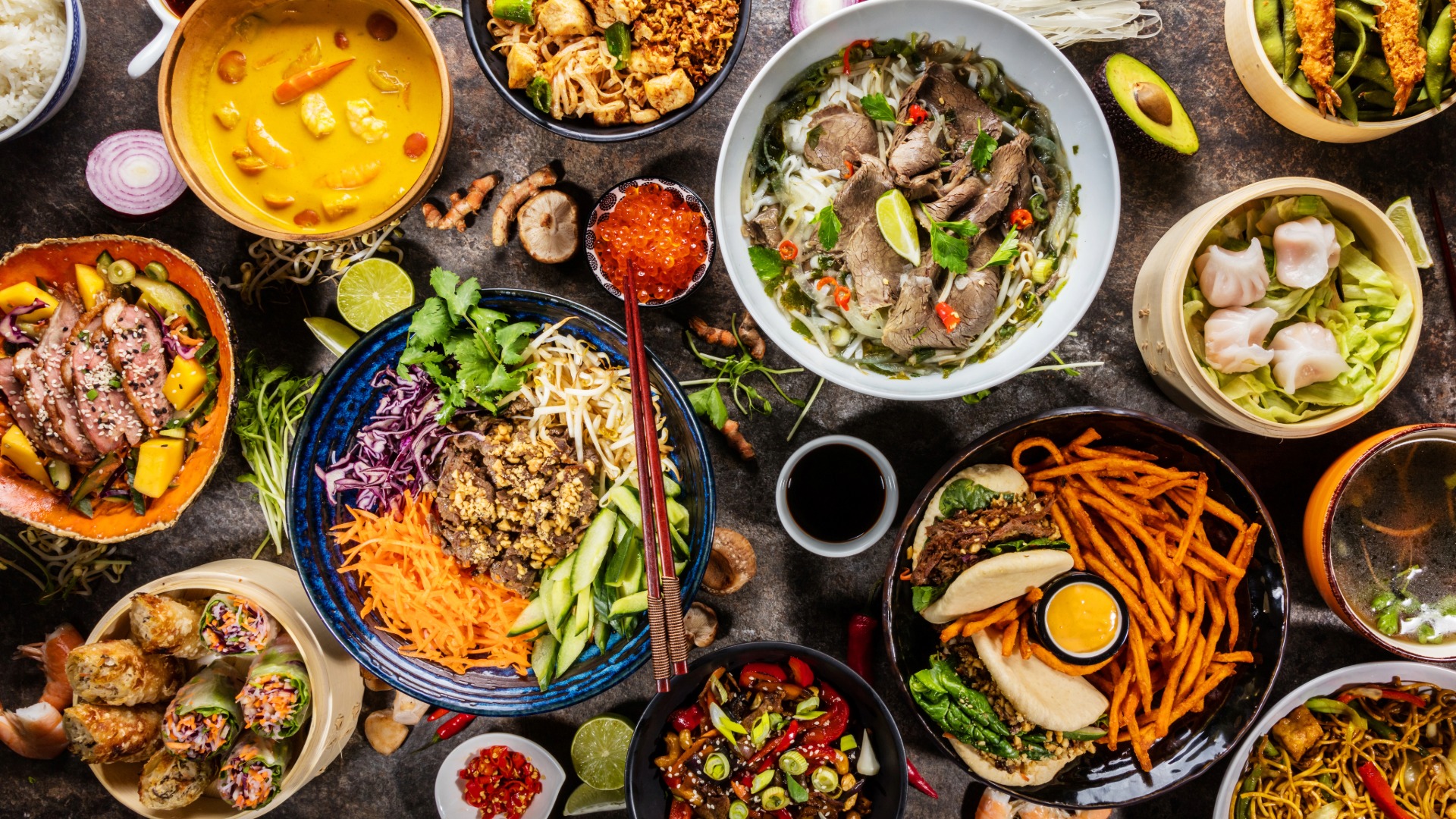
We broke from sightseeing to wander Hanoi’s Old Quarter, where the best eating happens on the street. Steaming pho bo on low plastic stools, bun cha sizzling over charcoal on the curb, egg coffee in a second-floor café with windows opening onto peeling French-era yellow facades. The line at the famed “Bún Chả Hương Liên” (a restaurant where Anthony Bourdain and then President Obama shared a wholesome noodle soup) was too long so we ate at a place on Hang Manh street, a no-frills shop famous for vermicelli noodles served with shredded smoky pork and plump pork patties and accompanied with sweet chilli fish sauce and a whole range of “greens’. We ordered Pho of course and also the crispy crab spring rolls with their generous shrimp, crab and pork fillings. The range of greens was incredible: Xà Lách (Crisp, mild lettuce that are also used as wrappers for crispy spring rolls (nem) or sizzling crepe s(bánh xèo), Rau Muống (Water Spinach / Morning Glory), Rau Dắng (Bitter Herb; small, jagged leaves with a distinctly sharp, bitter flavor), Rau Mui (Coriander / Cilantro), Húng Quế (Thai Basil),Tía Tô (Perilla; a striking purple-green leaf with a robust, minty, and slightly cinnamon-like flavor), Rau Húng Lủi (Spearmint), Ngò Gai (Culantro / Long Coriander with serrated leaves with a strong, pungent flavor similar to cilantro) and Rau răm (Vietnamese Coriander / Hot Mint with pointy leaves with a peppery, citrusy, and slightly bitter bite).
They reminded me of the sla jhur we forage from kitchen gardens or buy at our local iews—Ja Myrdoh (fish mint, a dark green leaf with a purple edge known for its peculiar "fishy" aroma,)Ja Ut( Garlic chives), Khliang Syiar (a popular medicinal herb ,Brahmi), Ja Miaw (Arugula o rocket leaves), Dhania Khasi (the local one has long leaves with jagged edges), Pudina (mint leaves), Jyllang(young green stalks are harvested before the garlic bulbs mature). The portions were generous and you can sometimes question the hygiene but we followed the rule: eat where the locals eat. Our driver recommended it, and the long lines of locals and tourists sealed the deal.
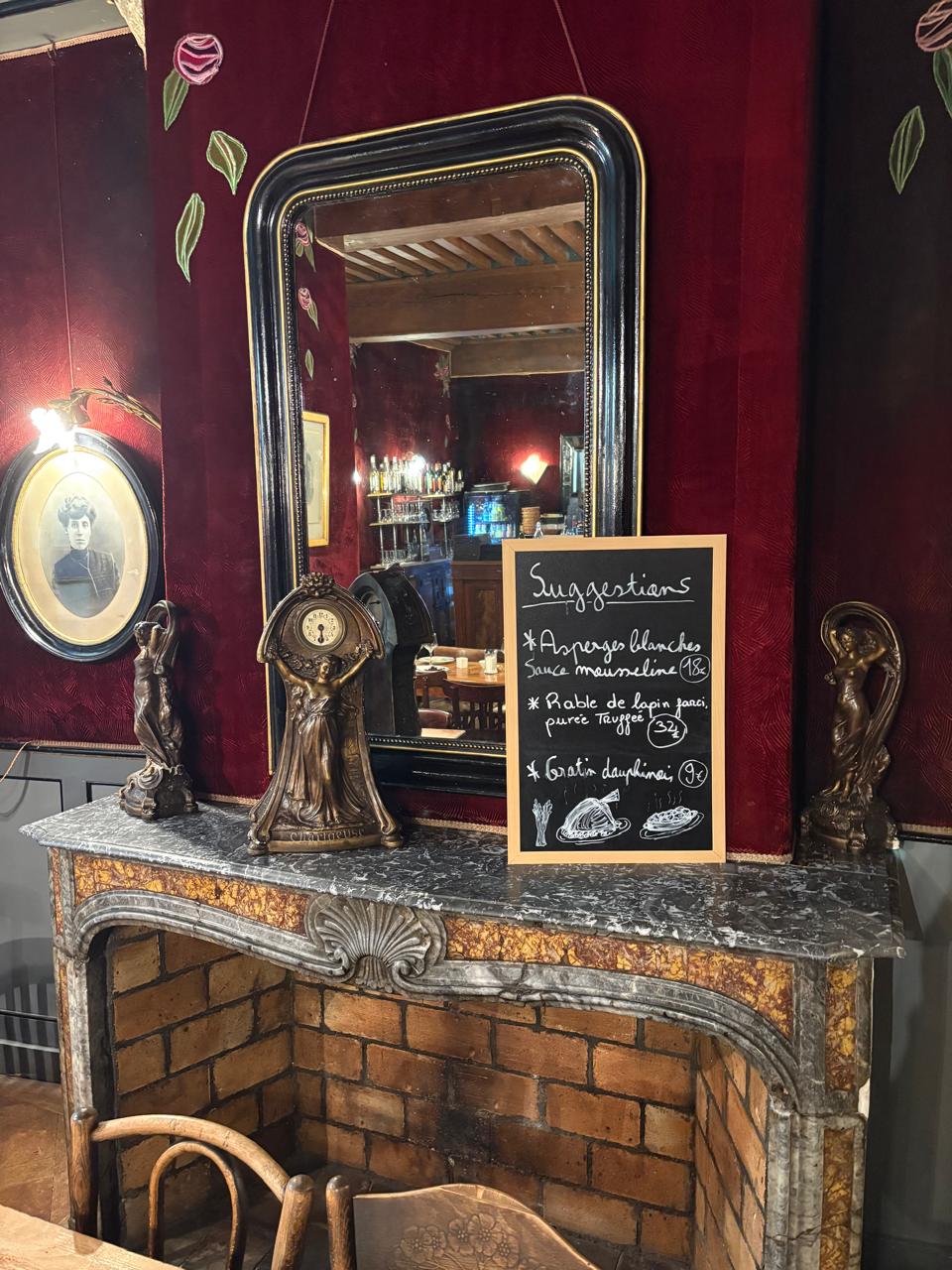
We also tried “Tam Vi”, the “cheapest” Michelin-starred restaurant. Crowded, hard to get a table, and in the end…just fine. The stir-fried chayote bud with garlic reminded me of the Squash or Piskot we eat back home where the tender creepers and flowers are stir fried too. The ambience, with its antique decor and rustic elegance, was lovely, but you don’t need a Michelin star for authentic Vietnamese flavours. I’d rather you spent that money elsewhere and try your luck at a roadside stall on a plastic stool.
DA NANG : Coast and Crunch
Da Nang on Vietnam’s central coast is more about seafood and the star is Mi Quang — rice noodles with just a splash of broth, topped with shrimp, pork, peanuts, herbs, and a rice cracker for crunch. Then there’s Bun Cha ca, a fish cake noodle soup that’s peppery and fragrant with dill, and Banh Xeo, crispy rice pancakes stuffed with shrimp and bean sprouts that you wrap in mustard leaves served with a side of lemon wedges and green chillis and vegetable greens. Replace the noodles and broth with rice and syrwa or dal, and the rice cracker with papad, you could mistake that for simple fare served at a roadside food stall in North East India! Sadly, we didn’t get to try the grilled sea food Da Nang is famous for, or make it to the beach so we settled for Banh Mi from a place on the streets behind our hotel. Again we chose a place frequented by locals and enjoyed the fresh baguette with meat pate fillings sipping on cold Vietnamese coffee!!
HOI AN : Lanterns and Cao Lầu
Hoi An’s mustard-yellow shophouses and silk lanterns are postcard-perfect. The specialty here is CaoLầu—thick, chewy rice noodles with char siu pork, fresh greens, and pork rinds in a soy-based sauce. It was late July, hot and humid. Most restaurants were booked for family gatherings with thali-style spreads. A kind owner gave us a corner table where I enjoyed a chilled Bia Saigon. We also ordered chicken fried rice, a local favorite, but it was bland—nothing like the Indo-Chinese version we know. Even the friendliest recommendations miss sometimes.
HO CHI MINH(SAIGON) and the MEKONG DELTA
The highlight of our Vietnam visit was at the Cu Chi Tunnels, an extensive underground network of tunnels used by the Viet Cong during the Vietnam War. We ate what Viet Cong soldiers survived on: steamed cassava dipped in crushed sesame and peanut salt. It’s a favorite tea snack in Meghalaya too—we call it shriew, and eat it with fresh honey. Sitting there in the heat, I felt a strange kinship with Vietnamese resilience and with the quiet comfort of our own food traditions. Later, on the Mekong Delta, we glided along the river in a traditional sampan rowed by a sturdy Vietnamese lady. The stop at a handmade coconut‑candy workshop was sweet in every sense, but the real dare came with a bottle of “Ruou Ran”—snake liquor! Our guide egged us on to be brave, and we gathered a little “Dutch courage,” closed our eyes (to avoid staring at the coiled dead snakes and other unmentionables steeping in the alcohol), and gulped down a sip or two. Spoiler: we survived, and lived to tell this tale !
The Coffee & The Takeaway
I haven’t even gone into the famous Vietnamese coffees—ca phe sua da, egg coffee, coconut coffee—but trust me, they live up to their hype. From Hanoi’s tucked-away café corners to Saigon’s buzzing sidewalk espresso carts, coffee here is both ritual and art and we stocked up on “Trung Nguyen” and “Highland Coffee” from Vincom Centre, determined to keep a little piece of Vietnam for our mornings back home.
For us, Vietnamese cuisine wasn’t just a checklist of dishes; it was a conversation between flavours, between two places that feel far apart on the map but strangely close on the tongue. So if you ever go to Vietnam, don’t be shy of sitting where the locals sit and eat, follow the smells, and let your own food memories guide you. You might just find that halfway across the world, you’re still eating the same comfort, dressed in a different language.
Photo Gallery
Click on the images to enlarge
Author
Abhilasha M Basaiawmoit
More to Read